This is a Catalogue (Reference) Site for Bois et Fleurs Parfums

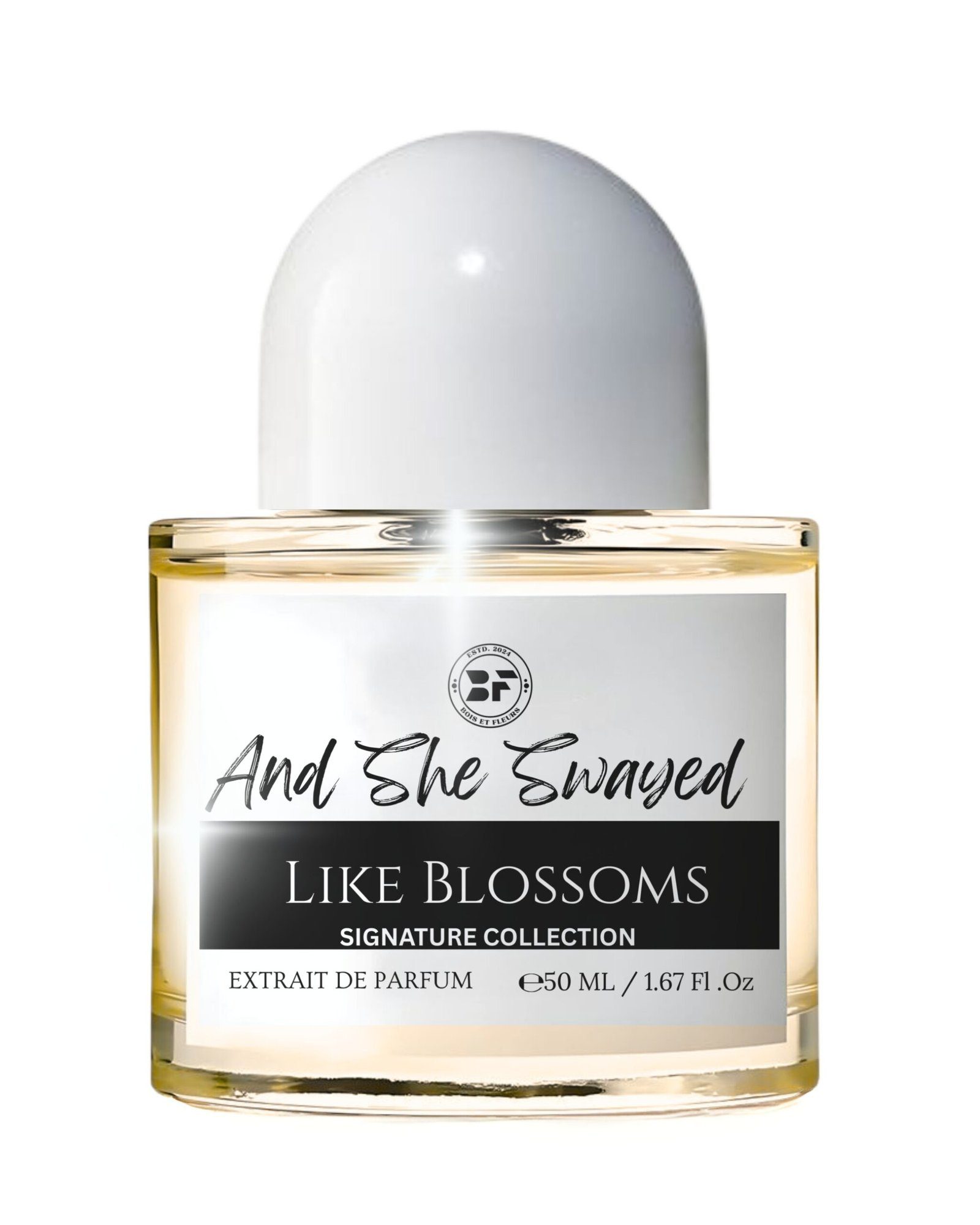
Fixatives in Perfumes: What Brands Don’t Tell You

I spent years trying to understand why some fragrances felt genuinely worth the investment while others faded into disappointment. The difference was rarely branding, price, or marketing polish. It came down to formulation—specifically, the materials that control how a fragrance lasts, evolves, and settles on skin. Those materials are fixatives.
When you spray a fragrance, the first few minutes are designed to impress. Bright citrus, florals, or aromatic notes bloom quickly and demand attention. But around fifteen to twenty minutes later, that initial brilliance softens. The structure underneath begins to show. What you smell at this stage is not accidental—it reflects how the fragrance is anchored. This transition is where fixatives quietly shape the experience.
Most fragrance marketing focuses on openings and note pyramids because they are easy to describe and sell. Fixatives, by contrast, are rarely discussed. They are not glamorous, and they do not photograph well. Yet they largely determine whether a fragrance feels fleeting or considered, whether it lasts three hours or carries through an entire day.
To explain fixatives properly, it helps to simplify the chemistry without distorting it.
Let me get technical for a moment, but I promise to keep it simple.
Fixatives are materials with relatively low volatility. Compared to top-note molecules—which evaporate rapidly when exposed to heat and air—fixatives remain on the skin longer and evaporate slowly. This does not make them inert or scentless; it makes them persistent.
When a fragrance is applied, alcohol evaporates first. Lighter molecules follow quickly, creating the initial impression. Heavier molecules linger, gradually becoming perceptible as the top notes fade. Fixatives sit at the base of this structure, influencing how long the fragrance remains detectable and how smoothly it transitions over time.
Without sufficient structural support, a fragrance may smell pleasant initially but lack development. It does not unfold or deepen; it simply diminishes. Longevity alone is not the goal—coherent evolution is.
This is why some inexpensive fragrances fade quickly. The issue is not always poor top notes, but minimal investment in the materials that sustain the composition after the opening has passed.
The Main Fixatives: What Perfumers Actually Use
To understand how fragrances are anchored, it helps to look at the primary categories of fixatives used in modern perfumery.
Natural resins such as benzoin, frankincense, myrrh, and labdanum have been foundational materials for centuries. They add warmth, depth, and complexity, but they also present challenges. They are expensive, vary from harvest to harvest, and introduce natural variation that large-scale manufacturers often avoid for the sake of consistency.
Absolutes—including rose, jasmine, vanilla, and certain oud extractions—can function simultaneously as character-defining materials and fixatives. They contribute both scent and persistence, which is why they are prized in high-quality formulations. Their cost limits their use, but when applied skillfully, they offer exceptional performance.
Synthetic aromachemicals form the backbone of contemporary perfumery. Materials such as Iso E Super, Ambroxan, Galaxolide, and Hedione are engineered for consistency, safety, and reliability. While they lack the romantic narrative of naturals, they are indispensable tools when used with restraint and intent.
Polymeric fixatives represent a more recent development. These materials act as slow-release carriers, moderating evaporation and extending performance. They are particularly useful in performance-driven formulations, though they contribute little in terms of olfactive character.
The Fragrance Concentration Game
Terms like Eau de Cologne, Eau de Toilette, Eau de Parfum, and Parfum refer to approximate fragrance oil concentrations, but they are often misunderstood.
Eau de Cologne typically contains 2–4% fragrance oil and offers brief wear, often under two hours. Eau de Toilette ranges roughly from 5–15% and can last several hours when properly constructed.
Eau de Parfum generally falls between 15–20% concentration and is expected to provide extended wear when supported by suitable fixatives. Parfum or Extrait sits at the highest concentration range and is designed for longevity with minimal application.
What concentration labels do not guarantee is quality. A fragrance can legally qualify as an Eau de Parfum while relying on minimal or low-grade fixatives, resulting in weak performance. Conversely, a well-formulated Eau de Toilette can outperform many higher-concentration products. Concentration is a framework, not a promise.
Five Myths About Fixatives (And Why They’re Wrong)
Several persistent misconceptions surround fixatives and fragrance performance.
Myth one: more fixatives automatically mean better longevity. Excessive fixation can create heavy, flat compositions that feel artificial. Effective fixatives should support the structure without dominating it.
Myth two: natural fixatives are inherently superior to synthetic ones. Natural materials offer complexity but also inconsistency. Synthetic materials offer precision and reliability. Quality depends on formulation, not ideology.
Myth three: longer-lasting fragrances are always better. Longevity without aesthetic balance is meaningless. A fragrance that lasts eight hours beautifully is preferable to one that lasts fourteen hours poorly.
Myth four: synthetic fragrances always smell harsh or chemical. Many of the world’s most refined compositions rely heavily on synthetics. The determining factor is the perfumer’s skill.
Myth five: brands avoid discussing fixatives because they do not matter. In reality, fixatives are central to every formula. They are rarely discussed because most consumers are not taught to evaluate them.
How to Evaluate a Fragrance
Understanding fixation changes how fragrances should be evaluated.
Ignore labels and marketing language initially. Apply the fragrance to skin and allow at least fifteen minutes for the opening to settle. The scent at this stage is far more representative than the first spray.
Wear the fragrance for several hours before forming an opinion. Notice whether it gains depth, warmth, or coherence, or whether it thins out and disappears.
Consider skin chemistry. Oilier skin tends to retain fragrance longer, while dry skin may require reapplication. Performance is a dialogue between formulation and physiology.
Transparency also matters. Brands willing to discuss materials and structure usually understand their formulations. Silence is not evidence of quality.
At Bois et Fleurs Parfums, we treat fixatives as structural elements, not afterthoughts. We use a considered balance of natural materials and modern aromachemicals, selected for both character and performance. Our goal is not maximal longevity, but fragrances that evolve with clarity and intention over time.
Disclaimer
This article is intended for educational purposes only and reflects our experience and research at the time of writing. Perfumery is subjective and continuously evolving. Readers are encouraged to conduct their own research and form independent conclusions.