Wait for our Next Sale - up to 50% OFF!

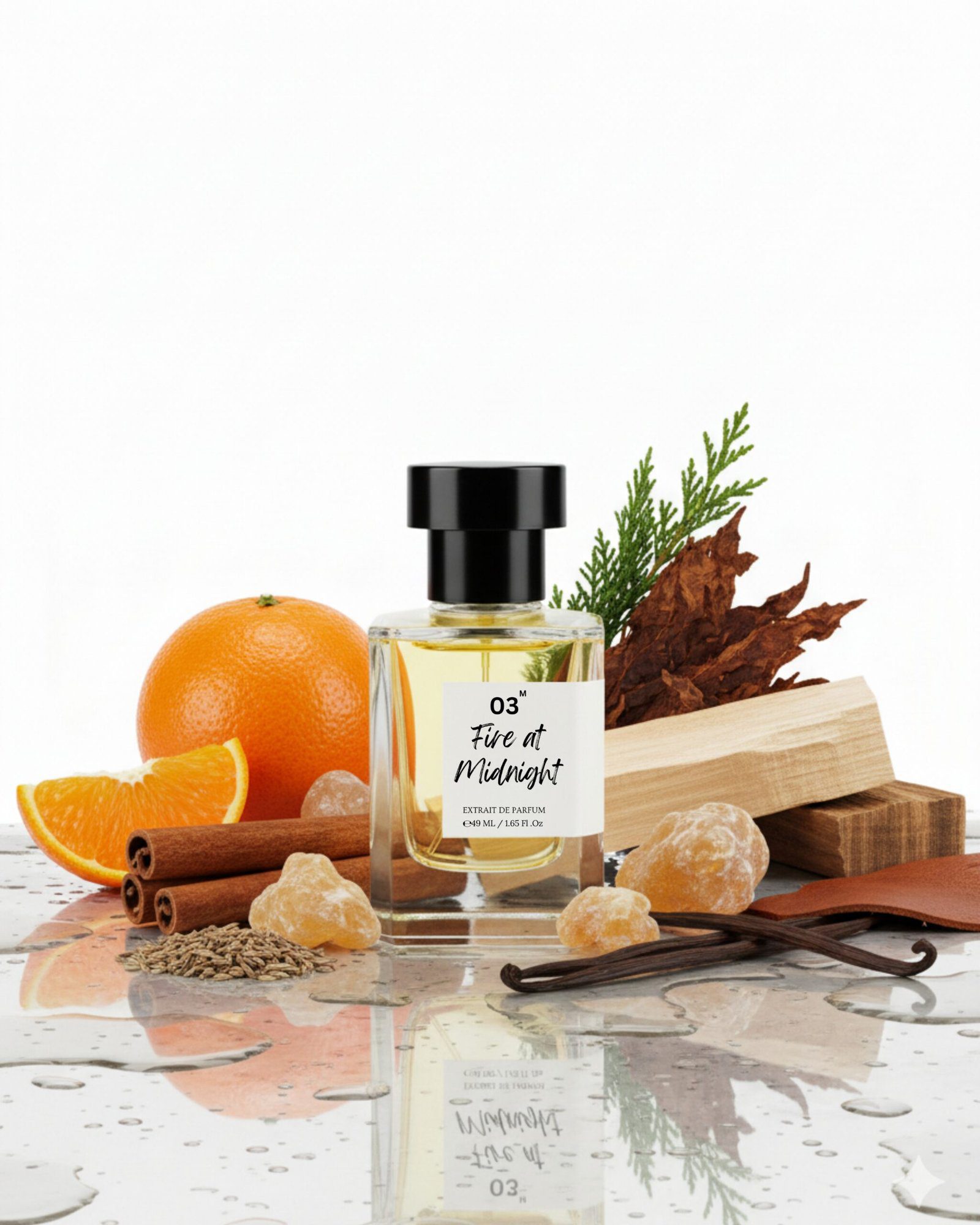
How to Choose a Long-Lasting Perfume for Indian Climate

Lets be honest —if you’ve been frustrated with fragrances not lasting beyond lunch, you’re not alone. The question we get almost every week through WhatsApp or Instagram is some variation of: “What perfume will actually last in this heat?” And the answer isn’t as simple as most brands make it sound.
You will be surprised to know that longevity isn’t a single ingredient or percentage. It’s a puzzle. And India’s climate? It’s essentially the final boss of that puzzle.
Why Indian Heat Destroys Fragrances (And What Actually Happens)
Here’s what happens at the molecular level when you spray perfume in 35-degree heat with 70% humidity:
Your fragrance is essentially a liquid solution of aromatic compounds suspended in alcohol (typically 95-96% ABV in eau de parfums). When this hits your warm skin, two things start immediately:
First, the alcohol evaporates. This is actually the desired effect initially—it helps release the fragrance on your skin. But in high heat and humidity, this evaporation accelerates significantly. The alcohol molecule is lighter and more volatile than the fragrance compounds themselves, so it leaves first.
Second, and this is the part most people miss, the fragrance compounds themselves are getting broken down faster. We’re talking about chemistry here—molecules have what’s called vapor pressure. In simple terms, higher temperatures mean more molecules have enough energy to become vapor and float away. This isn’t about cheap vs. expensive perfumes. It’s thermodynamics.
Add humidity to this equation and you get another problem: your skin is already slightly damp from perspiration and the moisture in the air. This dilutes the perfume concentration on your skin, further reducing its longevity.
Concentration Isn’t Everything (But It Matters)
I need to address the elephant in the room because this is where almost every perfume brand—including some of the big names—misleads people.
The bottles you buy are labeled: Eau de Cologne (3-5% fragrance), Eau de Toilette (5-15% fragrance), Eau de Parfum (15-20% fragrance), and Parfum/Extrait (20-40% fragrance).
Now, obviously higher concentration means more fragrance oils and theoretically longer-lasting scent. But here’s what doesn’t get mentioned: the actual composition of what’s inside matters far more.
You could have a 20% EdP that lasts 3 hours and another 18% EdP that lasts 7 hours. The difference? Base notes.
The Real Player: Base Note Architecture
Base notes—the heavy aromatic molecules—are what determine actual longevity. These include things like sandalwood, musk compounds, oud, cedar, and various ambroxan or other synthetic base materials. These molecules have much higher molecular weights and lower volatility. They simply don’t evaporate as quickly.
A well-formulated fragrance has a proper base note structure. In our lab, we typically work with base note percentages between 15-25% of the overall fragrance composition. These are the molecules that’ll still be on your skin 6-8 hours later.
The problem with many commercial perfumes is that they’re front-loaded with top and middle notes to grab your attention immediately. That initial wow factor. But the base? Sometimes it’s relatively weak. This is why you smell amazing for 20 minutes and then… nothing.
In the Indian heat specifically, this becomes critical. You need fragrance compounds that can actually hold on despite the temperature working against them.
Skin Type and Body Chemistry—Your Secret Weapon
Here’s something that’s rarely discussed: your skin isn’t neutral. It’s acidic (pH around 4.5-5.5), naturally oily, and varies significantly between people.
Some skin types literally grip fragrance better. If you have naturally oily skin, fragrances tend to last longer because they have better solubility. Dry skin? Fragrances break down and evaporate faster.
Also, everyone’s skin has different flora and chemical composition. This interacts with fragrance compounds and can completely change how a scent smells on you and how long it lasts. It’s not just marketing speak—it’s actual biochemistry.
This is why the same perfume lasts 5 hours on your friend and maybe 3 hours on you. It’s not a defective product. It’s your skin.
What Current Research and Articles Agree On
Studies on fragrance longevity (commonly referenced in cosmetic chemistry publications) confirm what perfumers have known: concentration matters, but base note composition matters more. Skin condition, ambient temperature, and application techniques are just as important as what’s in the bottle.
There’s no magic formula published anywhere that says “this exact combination = 12-hour longevity.” Because longevity is contextual.
However, there is consensus on a few things: synthetic base note materials (like iso E super, galaxolide, or modern musks) tend to last longer than natural base notes, layering fragrance with complementary products extends longevity, proper application technique makes a measurable difference, and storage conditions affect fragrance stability over time.
Common Misconceptions and Unsupported Claims
Let’s address the myths head-on.
“Higher oil percentage = always longer lasting“: I’ve tested 25% EdP formulations that last 4 hours and 18% EdP formulations that last 10 hours. Concentration alone isn’t predictive. The base note composition is what determines longevity, not the total fragrance percentage.
“Expensive perfumes always last longer“: Price has almost nothing to do with longevity. Luxury houses often spend more on rare, expensive ingredients (like real oud or rare florals), but these are typically used in middle and top notes for complexity, not longevity. A niche brand or indie perfumer might create something with superior longevity at a fraction of the cost.
“Natural fragrances last as long as synthetic ones“: In my experience, pure natural fragrance compositions struggle with longevity compared to those with synthetic base notes. Natural base materials like sandalwood oil are wonderful but volatile. Synthetic musks and other aroma chemicals are engineered specifically for stability and staying power.
“Spraying more will make it last longer“: It will give a some extra time but Oversaturating your skin doesn’t extend longevity drastically—it just means you’ll smell stronger for a similar or abit more period. The fragrance molecules still evaporate at the same rate. What does work is strategic reapplication or using fragrance layering techniques.
How to Actually Choose for Indian Climate
When you’re shopping for a fragrance that’ll survive your day in Indian heat, here’s what to actually evaluate:
Look at the fragrance type. Oriental and woody fragrances tend to have heavier base note profiles. Fresh and citrus fragrances, while lovely, are generally more volatile. In the Indian climate, you’re fighting an uphill battle with a citrus-based perfume.
Check if it has staying power claims from actual users. Not marketing copy. Find reviews where people specifically mention longevity. These are more reliable than brand promises.
Understand your climate zone within India. If you’re in coastal regions (Kerala, Goa) with even higher humidity, you’re dealing with a different challenge than someone in Delhi or Bangalore. The moisture content matters.
Prioritize base note richness. Ask perfume consultants about the base note composition if you can. Or try the perfume first. Spray it on your wrist and come back after 2 hours. Does it still have presence? That’s a good indicator.
Application Techniques That Actually Work
Even the best-formulated fragrances won’t last if you’re not applying them correctly for hot climates.
Apply to pulse points—wrists, inside elbows, neck, behind ears. These areas have slightly higher temperatures, which actually works in your favor here. It helps diffuse the fragrance more consistently.
Don’t rub your wrists together. I know everyone does this, but you’re literally crushing fragrance molecules. Let them settle.
For the Indian climate specifically, consider applying to your clothing rather than skin alone. Fabric holds fragrance longer than skin. A light spray on your collar or chest area extends longevity significantly.
Reapplication is not a failure. In hot, humid climates, a mid-day touch-up is practical, not excessive. Bring a travel atomizer.
Storage Matters More Than People Think
Heat and light degrade fragrance compounds. Storing your expensive EdP on a bathroom shelf where it’s exposed to shower steam and sunlight is actively working against you.
Keep fragrances in a cool, dark place. Not the refrigerator (condensation), but a dark cabinet or drawer at room temperature works well. If you’re in a region with consistently high heat, even a cooler corner of your home helps preserve the fragrance’s integrity.
Fragrance oxidizes over time, especially if exposed to air. Keep bottles sealed. Once you start using it, the oxidation process is natural, but you can slow it down with proper storage.
Practical Takeaway for Indian Perfume Buyers
You don’t need to chase the most expensive or the highest concentration. What you actually need is a fragrance with a solid base note structure (woody, oriental, or amber fragrances tend to perform better in heat), understanding of your personal skin type and how fragrances interact with it, proper application and storage techniques, and realistic expectations about reapplication in a hot, humid climate.
The best perfume for Indian climate isn’t about marketing claims or price point. It’s about chemistry, skin compatibility, and smart application.
If you’ve been struggling with fragrance longevity, experiment with layering, application techniques, and different fragrance families before assuming the perfume itself is the problem. Often, it’s the combination of factors working against you, not the fragrance alone.
And honestly? Sometimes the right fragrance for your climate might surprise you. It might not be the most expensive or the one everyone’s talking about on Instagram. It’s the one that sits well on your skin, has proper base note support, and actually survives your day.
That’s the one worth buying.
Disclaimer
This article is intended for educational purposes only and reflects our experience and research at the time of writing. Perfumery is subjective and continuously evolving. Readers are encouraged to conduct their own research and form independent conclusions.